Beekeeping (Apiculture)
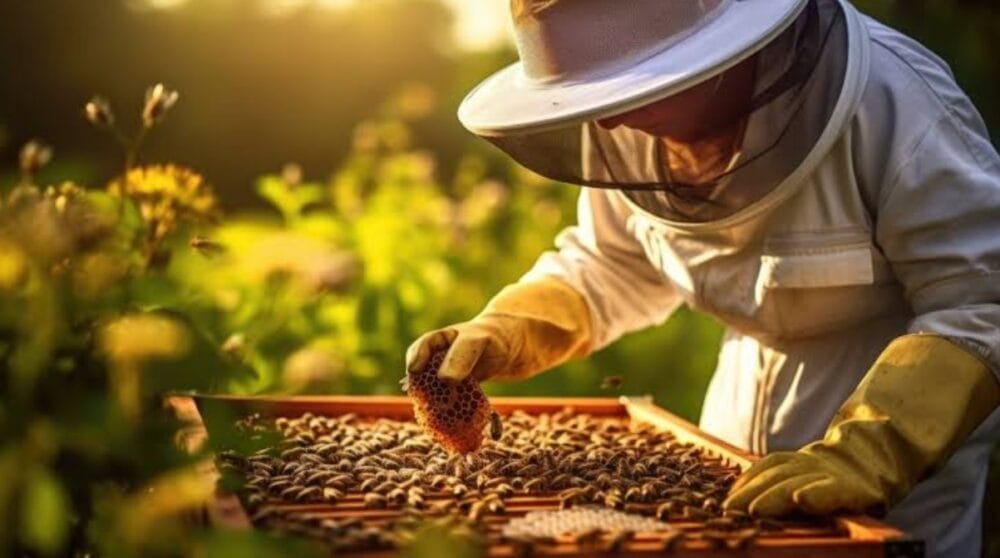
Beekeeping, also known as apiculture, is the practice of rearing honey bees for the production of honey, beeswax, royal jelly, propolis, and for crop pollination. In recent years, beekeeping has gained popularity among farmers, entrepreneurs, and rural youth because it requires low investment, minimal land, and offers high returns.
Apart from generating income, beekeeping plays a crucial role in improving agricultural productivity through pollination.
Importance of Beekeeping
Beekeeping is not only a source of income but also an essential agricultural activity. Honey bees help in pollinating crops such as fruits, vegetables, oilseeds, and pulses, increasing yield by 20–40%. Apiculture also promotes biodiversity and ecological balance.
In India, beekeeping is supported by government schemes and training programs, making it an ideal agribusiness for small and marginal farmers.




Types of Honey Bees Used in Beekeeping
The commonly used honey bee species for apiculture include:
- Apis cerana indica (Indian honey bee) – Widely used in India, suitable for local climatic conditions.
- Apis mellifera (Italian/European honey bee) – High honey production, commonly used in commercial beekeeping.
- Apis dorsata (Rock bee) – Wild species, not suitable for box rearing.
- Apis florea (Little bee) – Produces less honey, mostly found in the wild.
Among these, Apis cerana indica and Apis mellifera are preferred for commercial honey production.
Site Selection for Beekeeping
Selecting a proper location is essential for successful beekeeping. The site should have:
- Abundant flowering plants throughout the year
- Clean water source nearby
- Protection from strong winds and direct sunlight
- Safe distance from human disturbances and pesticides
Agricultural fields, orchards, gardens, and forest edges are ideal locations for bee colonies.
Beekeeping Equipment
Basic equipment required for beekeeping includes:
- Bee boxes (wooden boxes with frames)
- Honey extractor
- Smoker
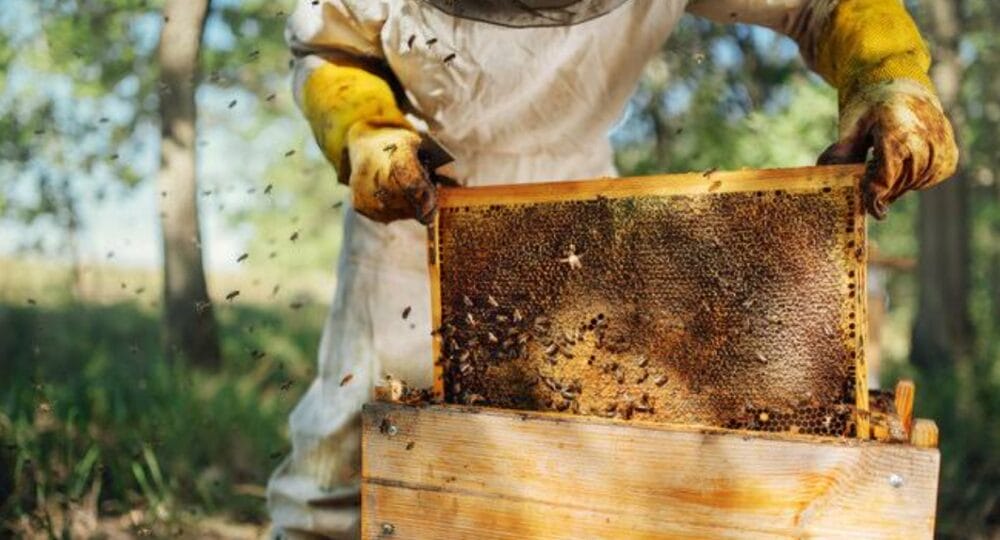
- Protective clothing (veil, gloves)
- Hive tool
- Bee brush
The initial investment is moderate, and most equipment is reusable for several years.
Management of Bee Colonies
Proper management of bee colonies ensures healthy bees and higher honey yield. Key management practices include:
- Regular inspection of hives
- Ensuring the presence of a healthy queen
- Providing supplementary feeding during lean seasons
- Protecting colonies from pests, diseases, and predators
- Preventing swarming by timely hive management
Common diseases include American foulbrood, Nosema, and mite infestations, which can be controlled through good hygiene and timely treatment.
Honey Production Process
Honey production depends on floral availability, bee species, and colony strength. Bees collect nectar from flowers and convert it into honey inside the hive. When honeycombs are filled and capped, honey is harvested using a honey extractor without harming the bees.
On average:
- Apis cerana indica produces 8–10 kg honey per year
- Apis mellifera produces 25–40 kg honey per year
Harvesting is usually done 2–3 times a year, depending on the flowering season.
Also Read:Organic Sweet Potato Farming
Marketing and Income Potential
Honey and bee products have strong demand in local and international markets. Products include:
- Raw and processed honey
- Beeswax
- Royal jelly
- Propolis
- Bee pollen
A small-scale beekeeper with 50 bee colonies can earn a net income of ₹1.5–3 lakh per year. Value addition through branding, packaging, and organic certification can further increase profits.
Government Support and Training
In India, government bodies such as the National Beekeeping & Honey Mission (NBHM), KVKs, and State Agriculture Departments provide subsidies, training, and technical guidance. Farmers can receive support for bee boxes, equipment, and marketing assistance.
Conclusion
Beekeeping is a sustainable, profitable, and environmentally friendly agricultural activity. With proper training, management, and market linkage, apiculture can significantly improve farmers’ income and contribute to agricultural growth.
Whether practiced as a side business or a full-time enterprise, beekeeping offers long-term economic and ecological benefits.
Also Read:Poultry Farming Business Plan: A Complete Guide for Profitable Business
Frequently Asked Questions (FAQ)
Q1. Is beekeeping profitable in India?
Yes, beekeeping is highly profitable due to low investment, high demand for honey, and government support.
Q2. How much land is required for beekeeping?
Beekeeping does not require land ownership. Bee boxes can be placed near farms, orchards, or gardens.
Q3. Which honey bee is best for beginners?
Apis cerana indica is ideal for beginners due to its adaptability to Indian conditions.
Q4. How long does it take to produce honey?
Honey can be harvested within 6–8 months after establishing a strong bee colony.
Q5. What is the lifespan of honey bees?
Worker bees live for 5–6 weeks, drones for a few months, and the queen can live up to 3–5 years.
Q6. Can beekeeping be done as a side business?
Yes, beekeeping is ideal as a part-time or side business alongside farming.
Also Read :Beekeeping
0